Canada
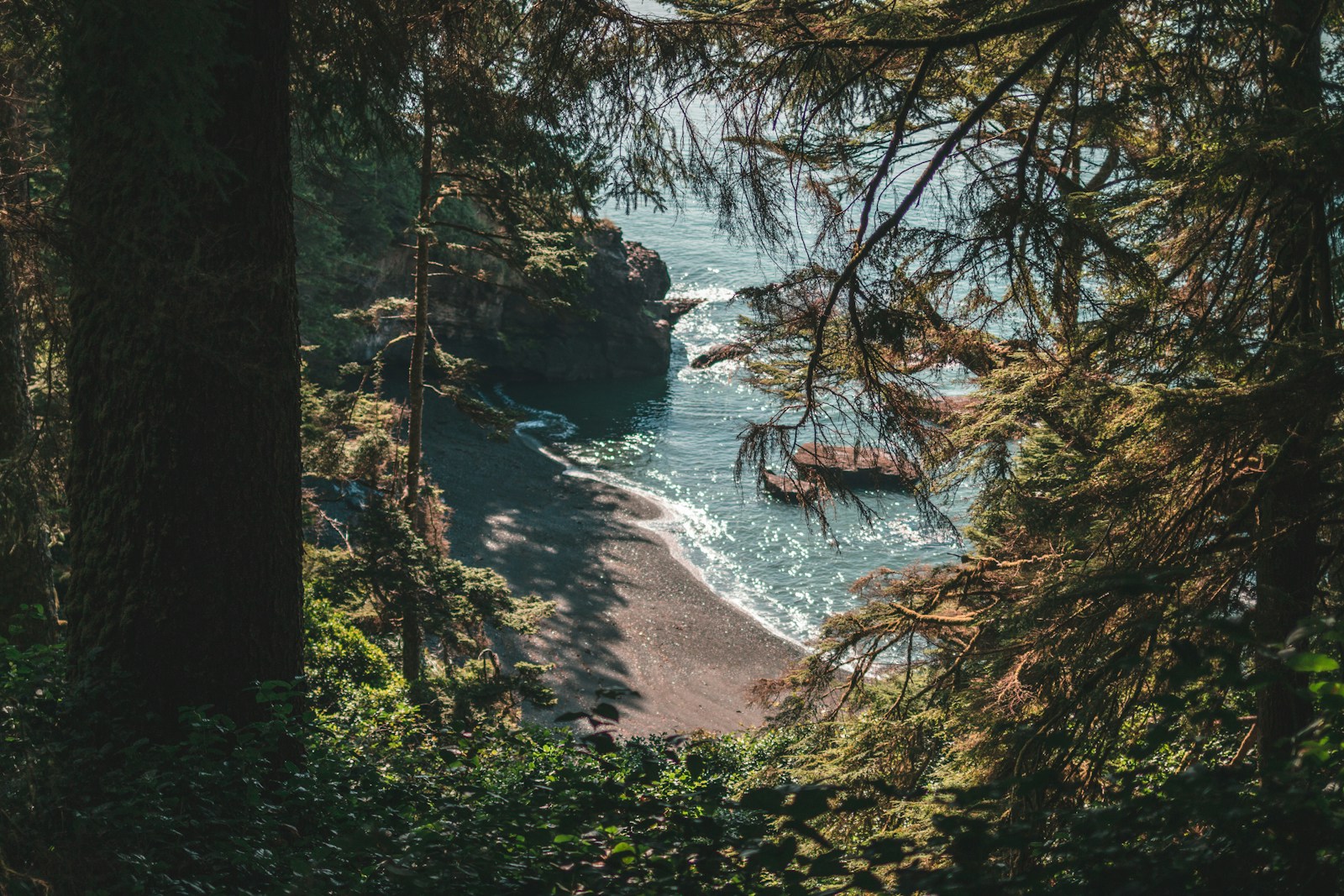
Pacific Rim National Park Reserve
Where the old-growth rainforest meets the open Pacific. Tofino's Long Beach stretches for miles, the surf rolls in from thousands of kilometres away, and the ancient cedars at your back have stood since before Canada was a country. For anyone who loved the west coast — the smell of salt and cedar, the sound of waves in the dark — there is nowhere more right than this.
View location →
Canada
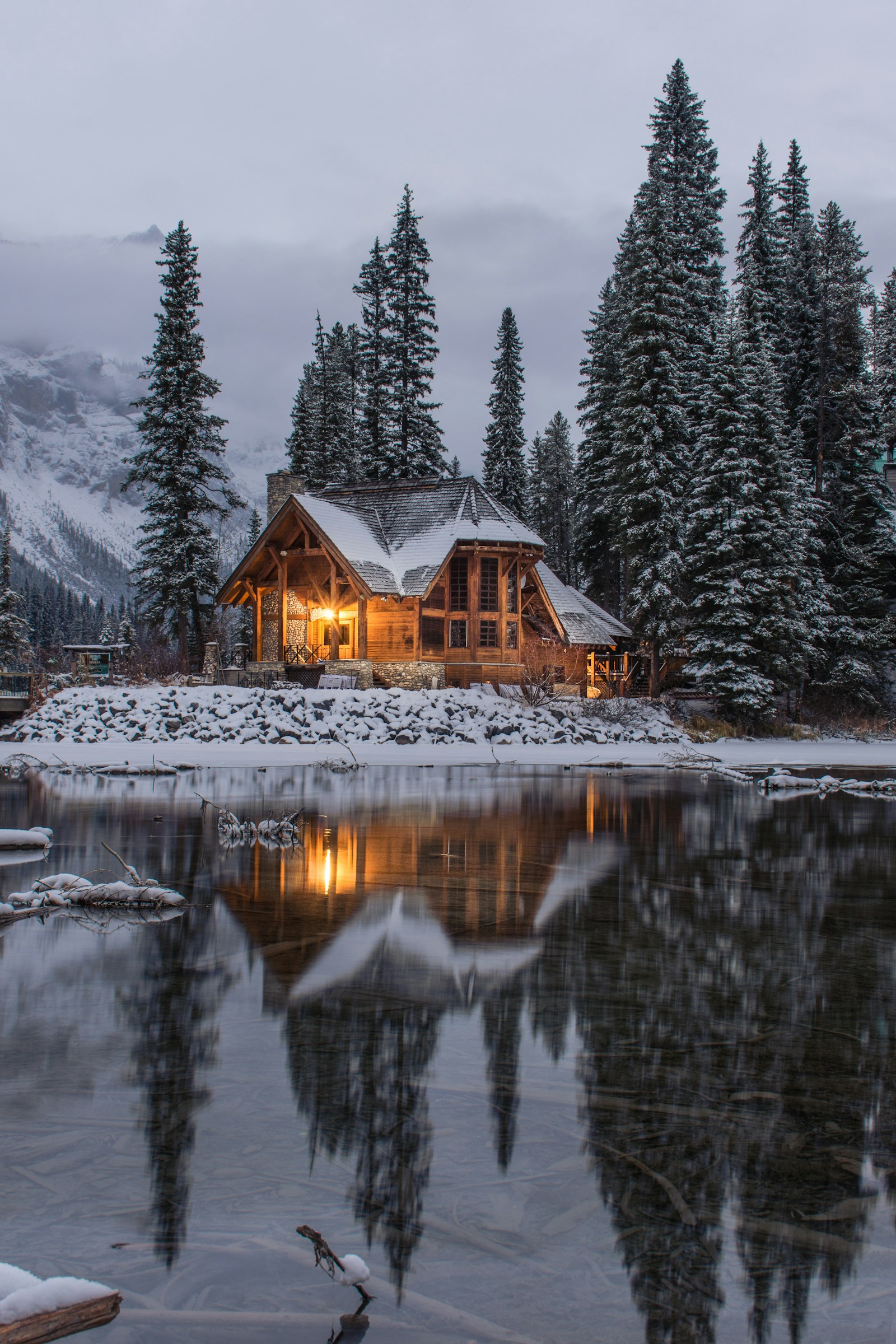
Gulf Islands National Park Reserve
A scattered archipelago of sandstone cliffs, arbutus trees, and tide pools between Vancouver Island and the mainland. The Gulf Islands move at a different pace — slower, quieter, more deliberate. Otters rest in the kelp. Eagles circle above the bluffs. The water is impossibly still on calm days. For someone who found peace on the water, or who simply needed a place that felt unhurried, the Gulf Islands are that place.
View location →
Canada
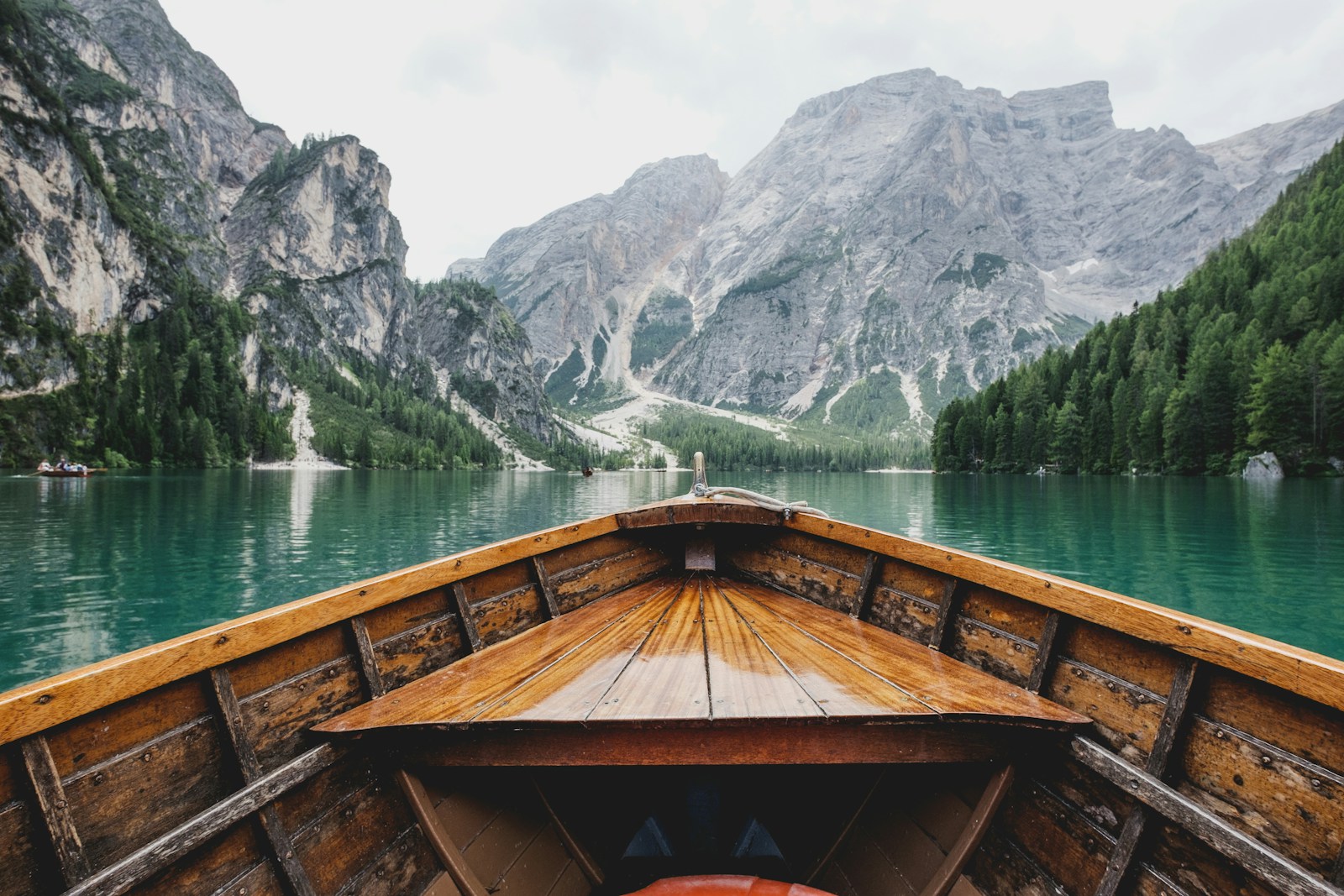
Haida Gwaii
A hundred kilometres off the BC coast, Haida Gwaii sits alone in the North Pacific like a world unto itself. Ancient Haida totems stand in the forest. The beaches are wild and empty. The old-growth Sitka spruce reach into the mist. This is one of the oldest continuously inhabited places in North America, and it carries that weight — a sense of deep time, of land that has meaning going back further than memory. For someone whose spirit belongs to the wild edge of things, this is sacred ground.
View location →
Canada
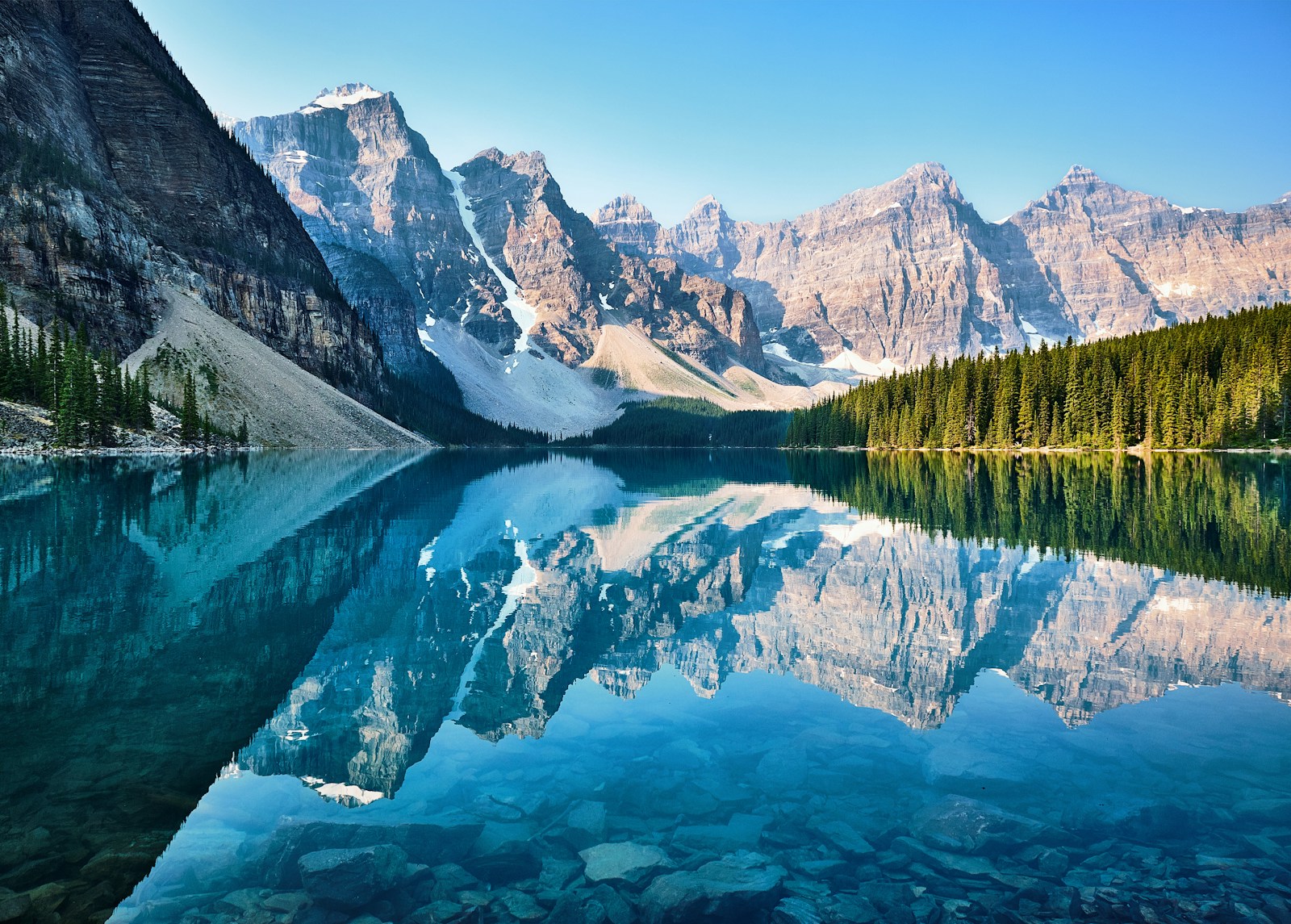
Strathcona Provincial Park
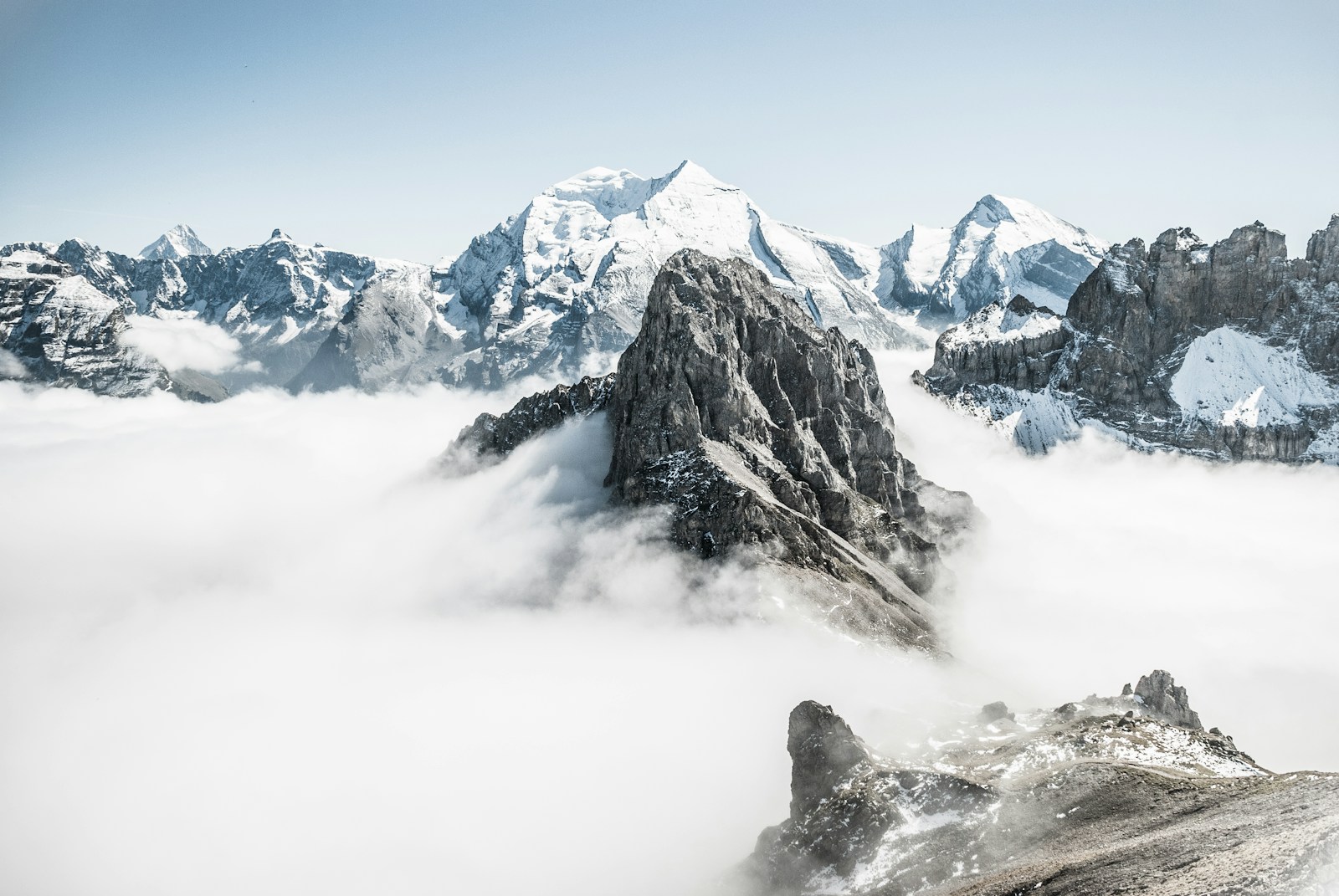
The oldest provincial park in British Columbia sits at the wild heart of Vancouver Island — a place of glacier-fed lakes, alpine meadows, and peaks that pierce the cloud. Far from the island's well-travelled roads, Strathcona is for those who knew that Vancouver Island's real character wasn't in the towns but in the mountains above them. Golden Hinde, the island's highest peak, rises from the centre of it all.
View location →
Canada
Bowron Lake Provincial Park
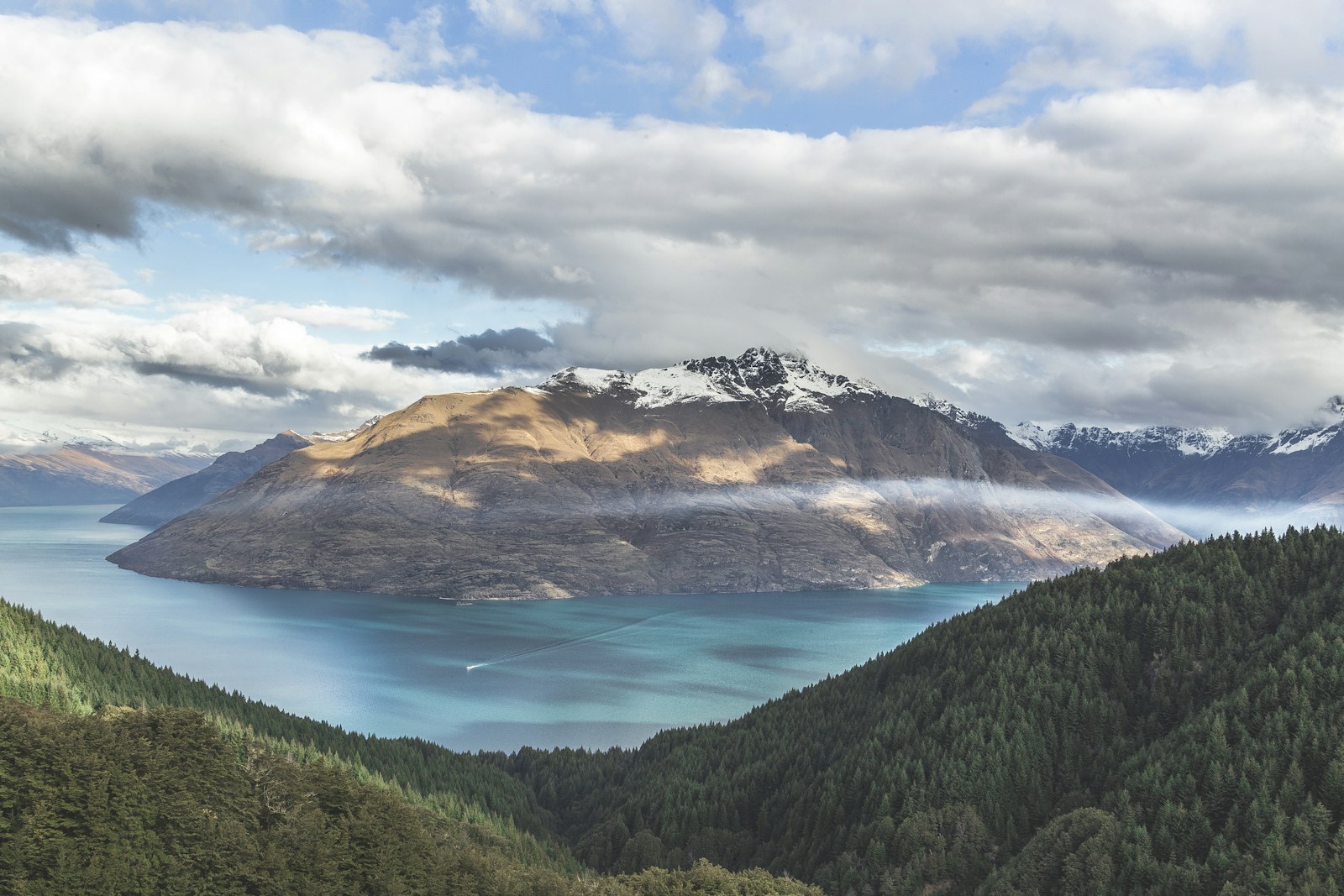
A chain of wilderness lakes in the Cariboo Mountains, connected by portage trails through one of the most extraordinary canoe circuits in the world. Moose wade in the shallows. Grizzlies move through the willows at dusk. The mountains reflect perfectly in water that has never been touched by development. For the paddler, the naturalist, the person who wanted to disappear into the interior of things — Bowron Lake is waiting.
View location →
Canada
Banff National Park
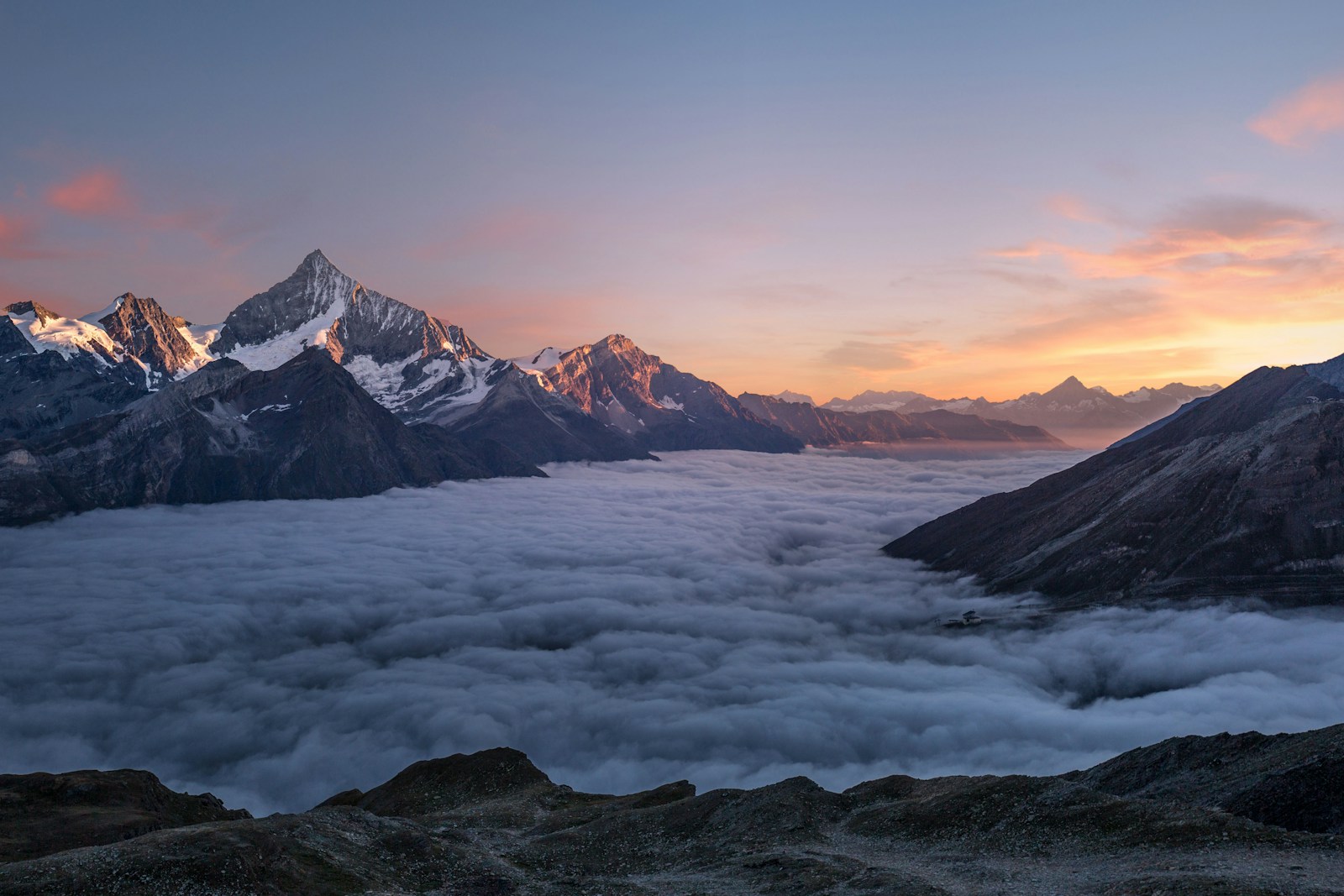
Canada's oldest national park, home to glacial lakes, ancient peaks, and meadows that seem to stretch on forever. From the turquoise waters of Lake Louise to the windswept ridges above the treeline, Banff is one of the most breathtaking places on earth — and for many Canadians, it is the landscape they think of first when they imagine somewhere truly magnificent.
View location →
Canada
Jasper National Park
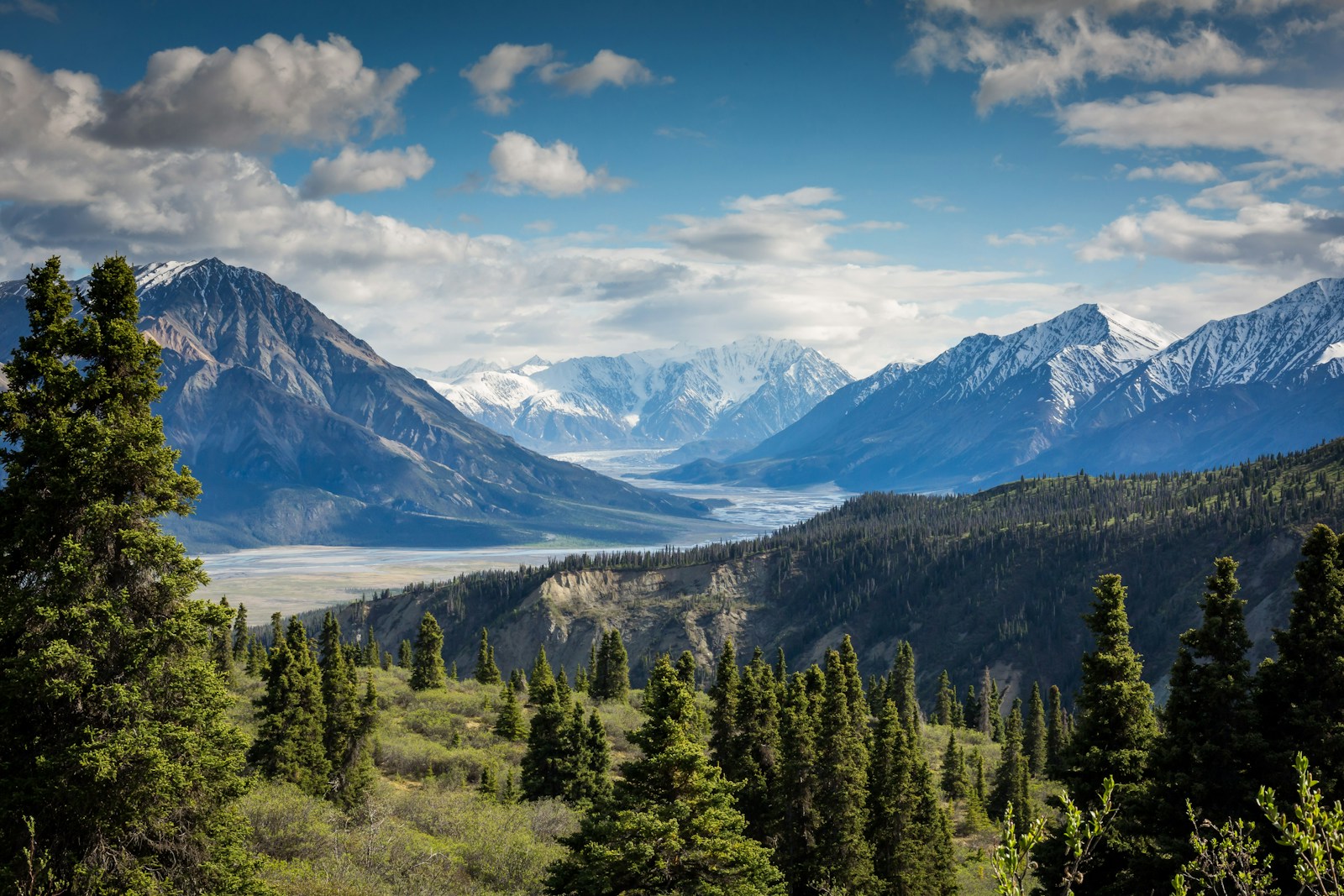
Wilder and less visited than Banff, Jasper offers sweeping valleys, ancient glaciers, and a genuine sense of remoteness. The Icefields Parkway, one of the most scenic roads in the world, runs straight through it. Elk graze in the townsite at dusk. The Athabasca Glacier moves imperceptibly forward. For those who wanted the mountains without the crowds — who preferred the feeling of being small in something enormous — Jasper is their park.
View location →
Canada
Waterton Lakes National Park
Where the prairie ends and the mountains begin — abruptly, dramatically, without warning. Waterton is smaller and less famous than its neighbours to the north, but that is part of its character. The wind off Upper Waterton Lake is famous. The wildflowers in the valley bottom in July are extraordinary. Bears and wolves move through freely. This is the meeting of two worlds, and it has a quality that feels singular — like the edge of something important.
View location →
Canada
Kananaskis Country
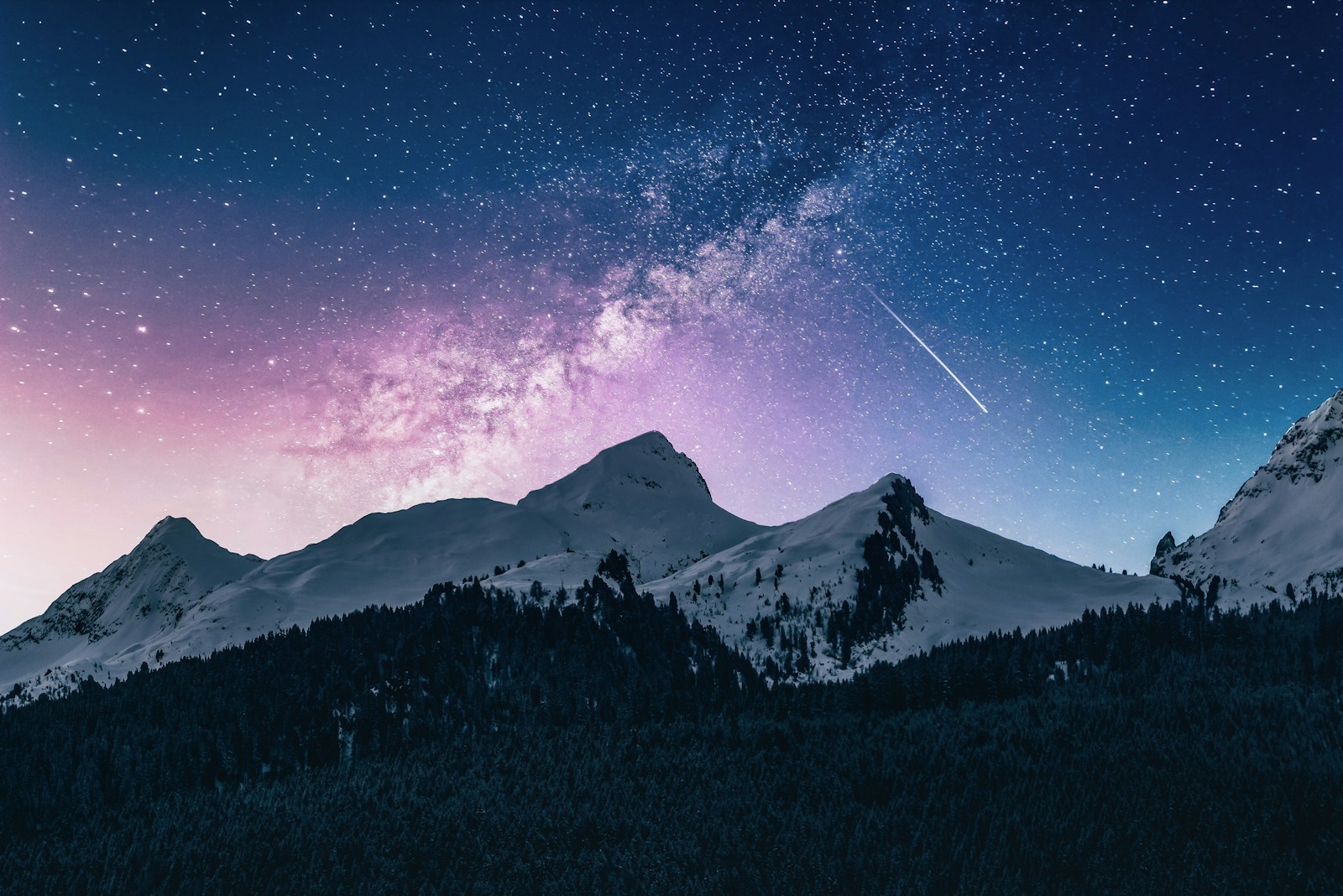
The Rockies without the tour buses. Kananaskis stretches across thousands of square kilometres of mountain wilderness west of Calgary — a place Albertans have known and kept close for generations. Highwood Pass, the highest paved road in Canada, cuts through it in summer. The rivers run fast and cold. The trails go on for days. For those who knew this landscape as their backyard, there is no better place.
View location →
Canada
Grasslands National Park
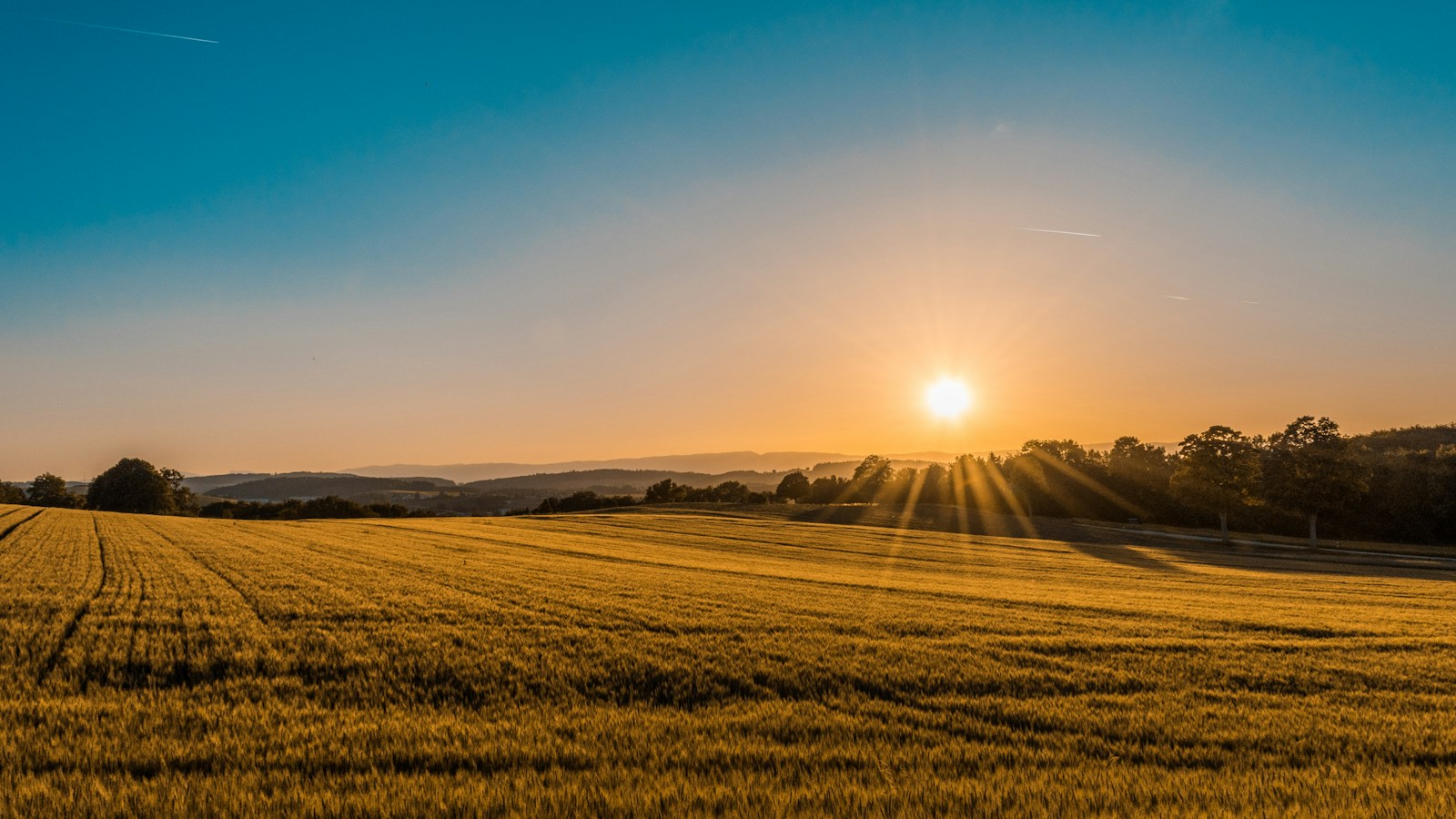
The last undisturbed mixed-grass prairie in Canada. Here, the horizon goes on so long it begins to feel like the edge of the world. The sky at night is darker than almost anywhere else in the country — a designated Dark Sky Preserve where the Milky Way is visible to the naked eye. Prairie falcons nest in the coulees. Burrowing owls watch from the grass. For someone who found meaning in open space, in sky, in stillness — this is where they belong.
View location →
Canada
Prince Albert National Park
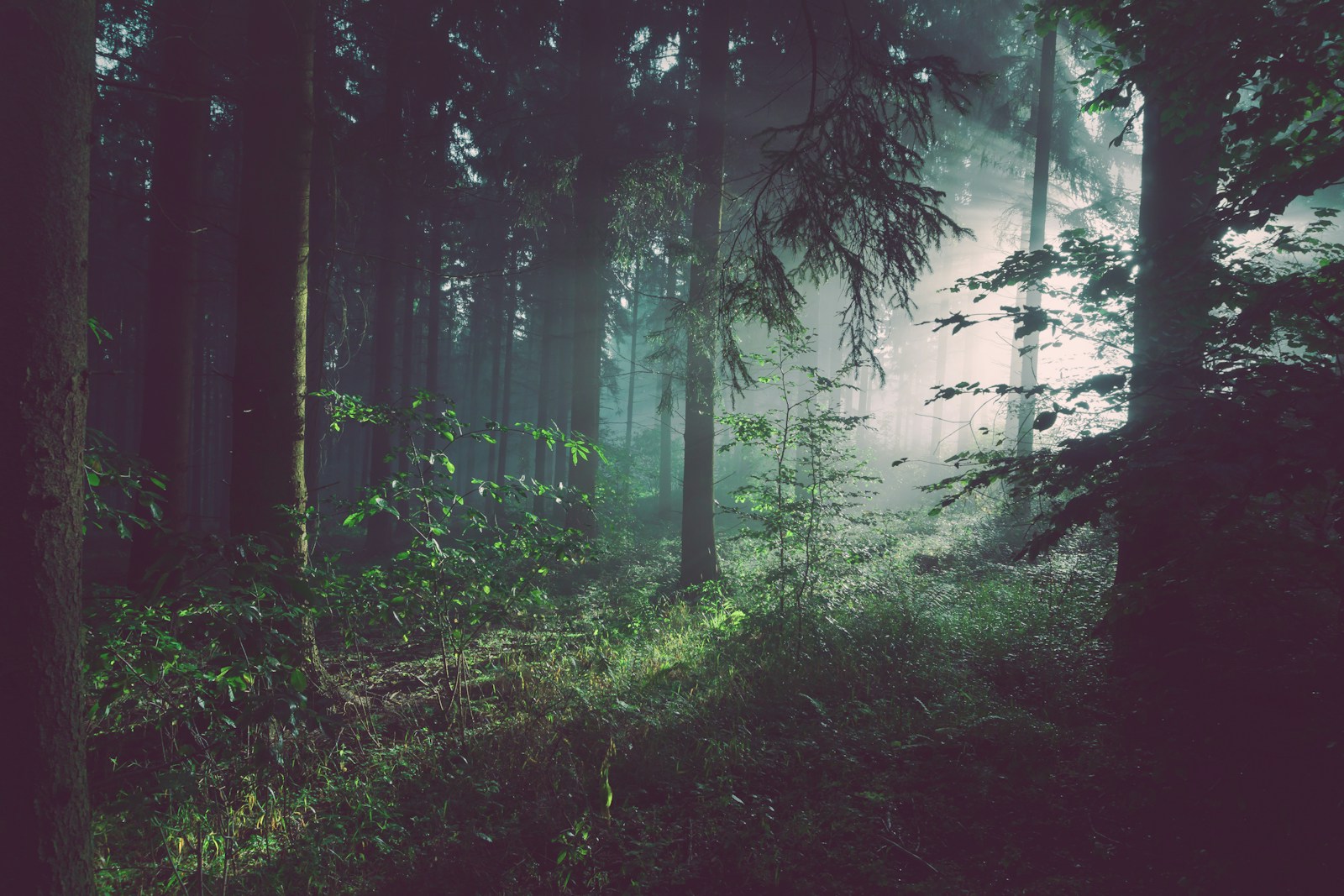
The transition zone between boreal forest and parkland prairie, where the lakes are clear and the loons call at dusk. Grey Owl — one of Canada's most beloved conservationists — lived here in a cabin at Ajawaan Lake, and the park still carries something of his philosophy: that these places are worth protecting with everything you have. For those who loved the quiet north, the smell of pine and lake water, the sound of a canoe paddle, this is a homecoming.
View location →
Canada
Riding Mountain National Park
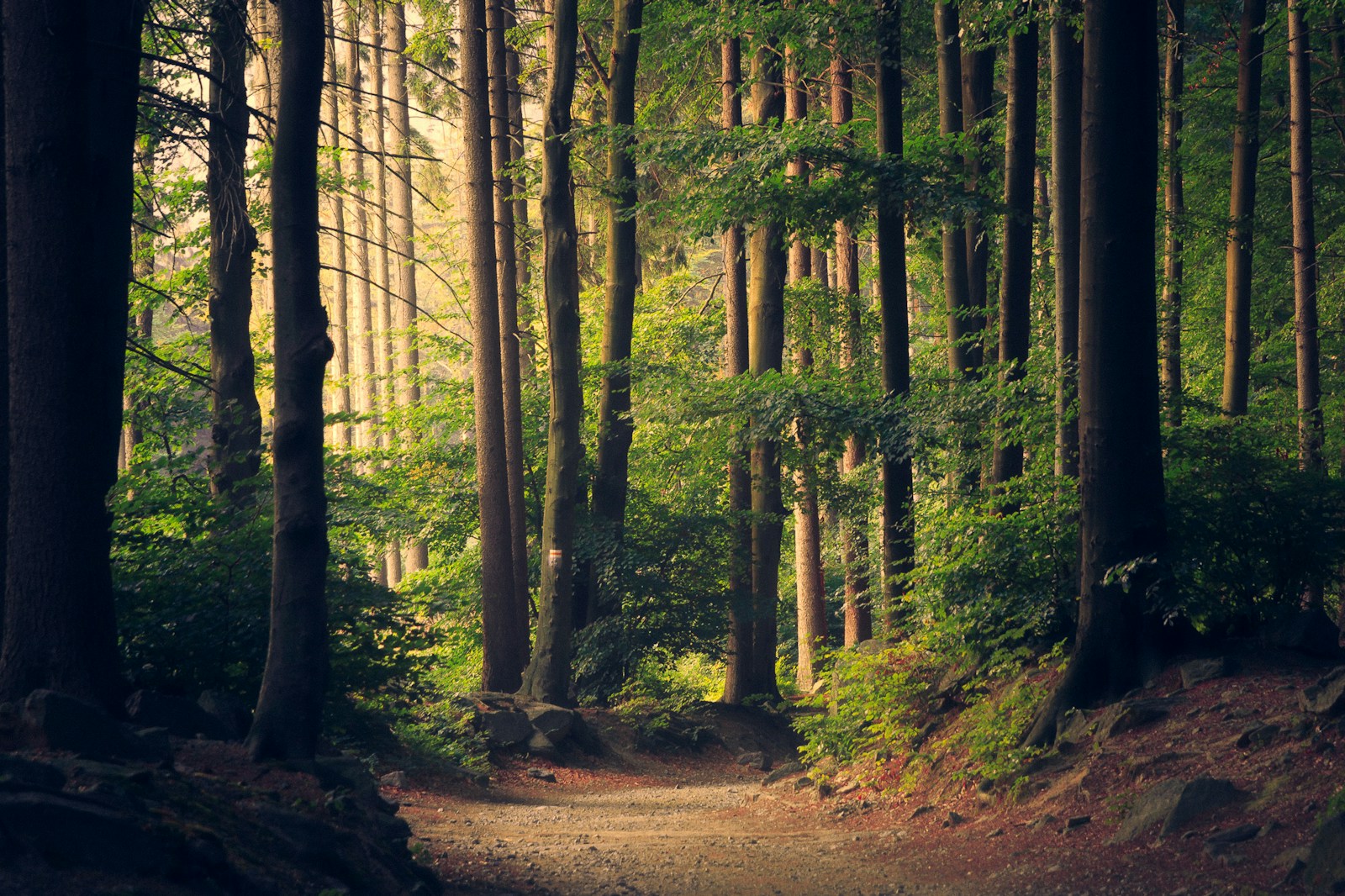
Rising unexpectedly out of the Manitoba prairie, Riding Mountain is an island of boreal forest on a plateau that overlooks the flatlands in every direction. Clear Lake is perfect for canoeing in summer and ice fishing in winter. Elk graze in the meadows. Bears move through the forest. For generations of prairie families, this park has been the place they come back to — the place that feels like their own piece of wild Canada.
View location →
Canada
Hecla-Grindstone Provincial Park
A cluster of islands in Lake Winnipeg, connected by causeway to the mainland, where Icelandic settlers built their first Canadian homes in the 1870s. The lake is vast and temperamental — more like an inland sea than a lake. White pelicans nest by the thousands. The sunsets over the water turn everything gold. For anyone with roots in Manitoba's Interlake, or simply a love of enormous, quiet water, Hecla is irreplaceable.
View location →
Canada
Algonquin Provincial Park
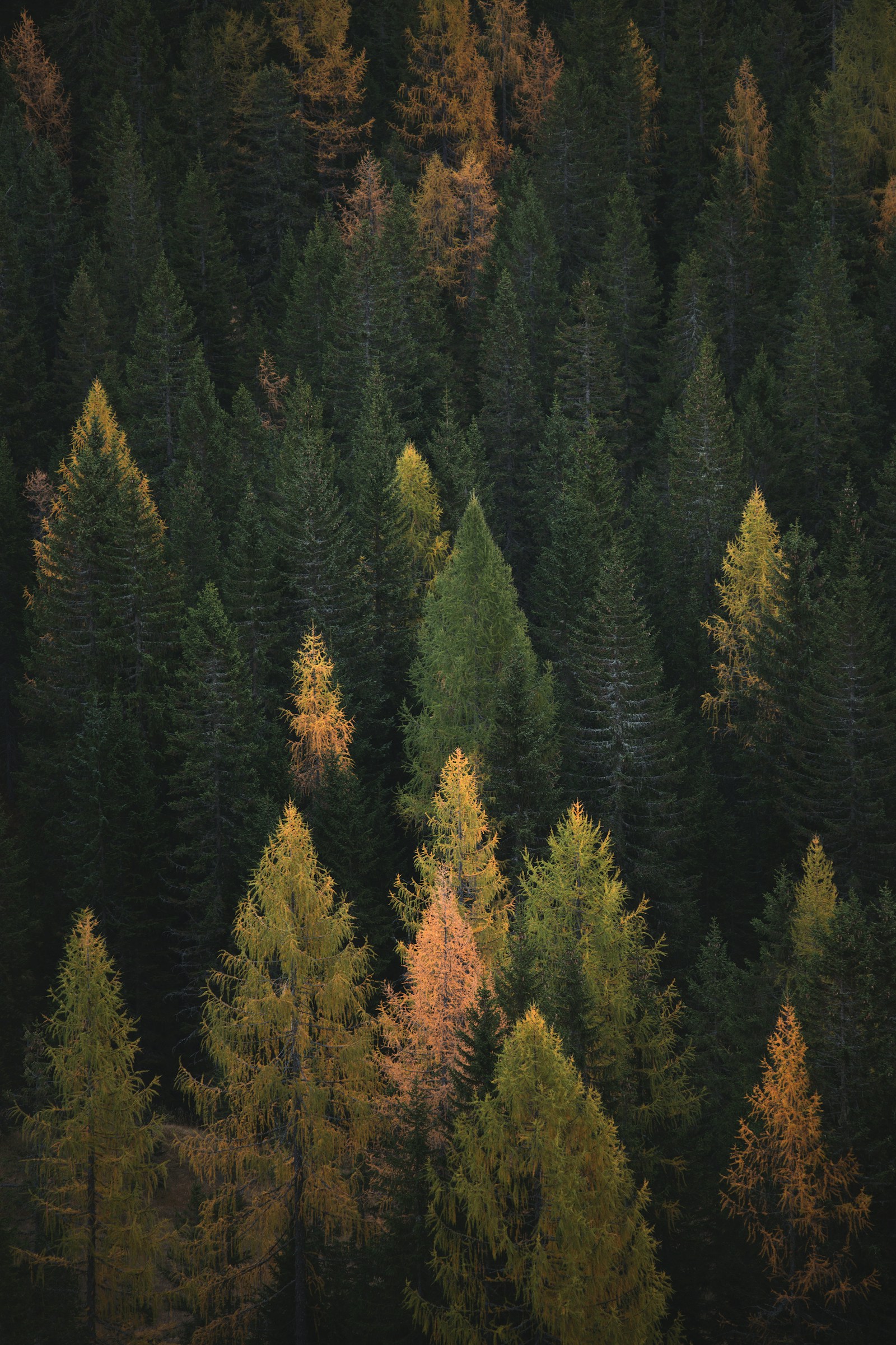
Two thousand square kilometres of Canadian Shield lakes, rivers, and forest — one of the most beloved wilderness parks in the country. The loons call at dusk. The maples turn scarlet in October. Moose wade in the beaver ponds. Tom Thomson paddled these lakes, and something of his vision still lives in the light here. For those who knew Algonquin as children, or who returned to it every year for decades, placing someone here is returning them to something essential about Ontario.
View location →
Canada
Killarney Provincial Park
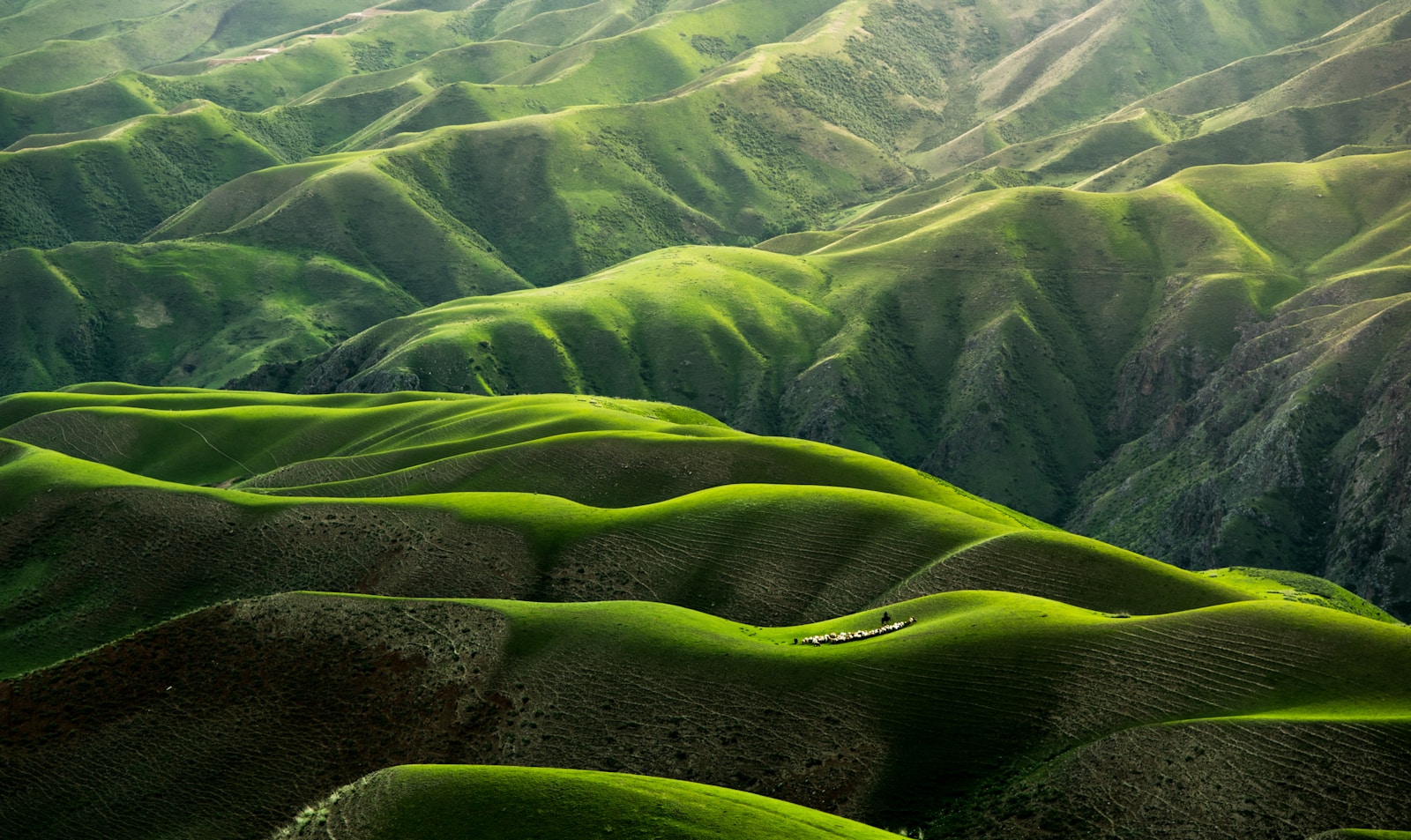
White quartzite ridges, crystal-clear lakes, and the northern shore of Georgian Bay — a landscape so beautiful it convinced the Group of Seven that Ontario could hold its own against anywhere in the world. The La Cloche Mountains are small by western standards but ancient beyond measure: some of the oldest exposed rock on earth. The water in Killarney's lakes is acidic enough to be startlingly transparent. For those who cherished Georgian Bay and the Shield, this is the heart of it.
View location →
Canada
Lake Superior Provincial Park
The northeastern shore of Lake Superior — where the Canadian Shield drops directly into the largest freshwater lake on earth. The Agawa Rock pictographs, painted onto the cliff face centuries ago by Anishinaabe people, are still vivid in the rock. The water is cold enough to swim in only on the hottest days, and on calm mornings it reflects the forest so perfectly you lose track of which way is up. Superior commands a particular kind of loyalty from those who know it.
View location →
Canada
Parc national de la Gaspésie
The Chic-Choc Mountains rise out of the Gaspé Peninsula like an afterthought of the Appalachians — isolated, ancient, and visited by few. Caribou still roam the high plateaus. The rivers are cold and full of salmon. The forests give way to alpine tundra at the summits, where the view in every direction is ocean and mountain. For those with deep Québec roots, or simply for those who found something necessary in wild, little-known places, the Gaspésie is profound.
View location →
Canada
Forillon National Park
The tip of the Gaspé Peninsula, where the land runs out into the Gulf of St. Lawrence. Limestone cliffs drop straight into the sea. Minke and fin whales surface offshore. Seals rest on the rocks below. The Cap Bon Ami trail follows the cliff edge to views that stretch to the horizon in every direction. The French name means "little fortress" — but it is less a fortification than a threshold: the point where land ends and ocean begins, and the decision becomes permanent.
View location →

Canada
La Mauricie National Park
The Canadian Shield in its most quintessentially Québécois form: a thousand lakes strung together by rivers and portages, surrounded by a mixed forest that turns extraordinary colours in October. La Mauricie is a canoe country park, designed to be moved through slowly, by paddle. Families have been going to their chalets in the Laurentian foothills for generations. For someone who loved the north of Québec — the lakes, the birch, the smell of woodsmoke — this is their landscape.
View location →
Canada
Cape Breton Highlands National Park
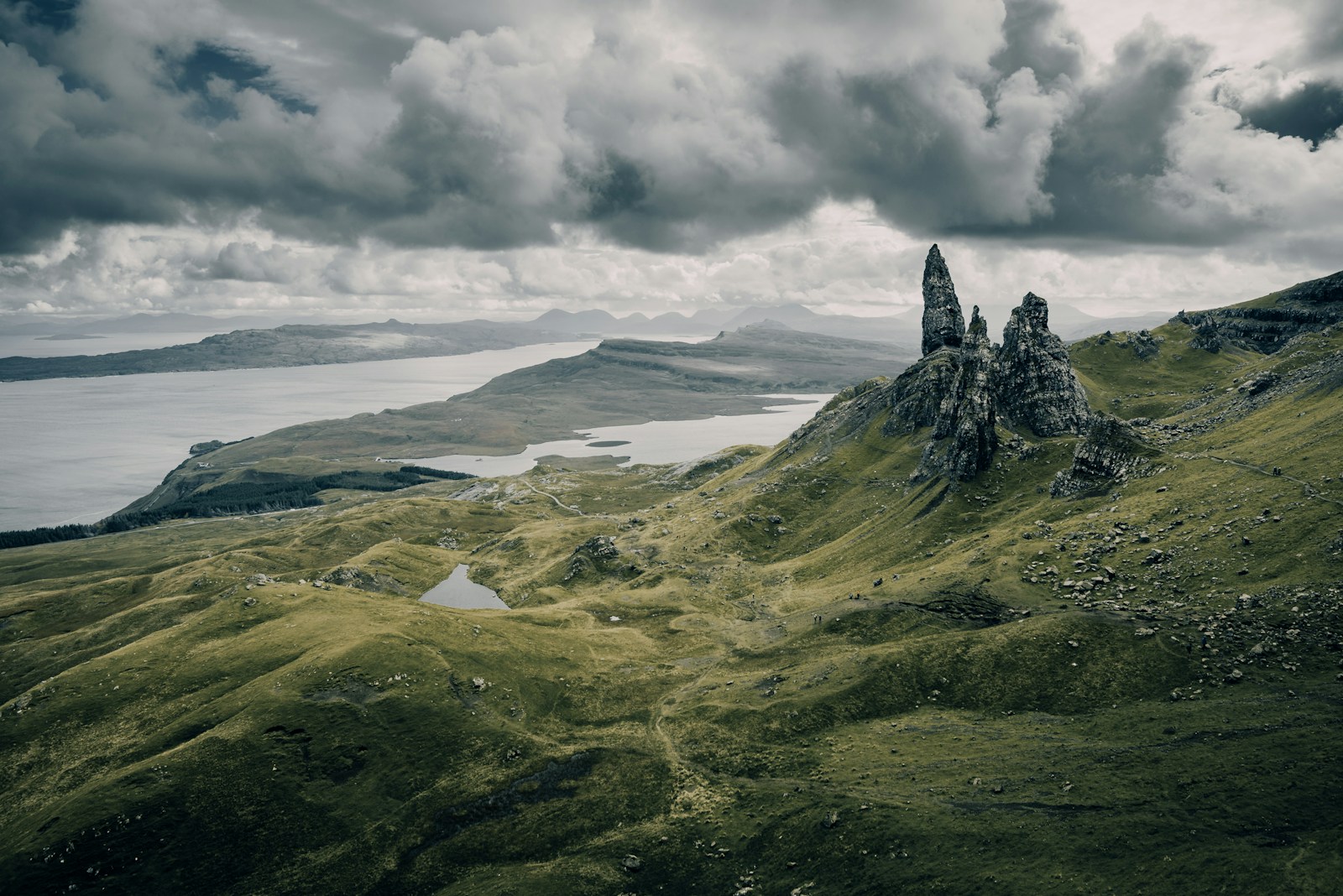
The Cabot Trail winds around the northern cape of Cape Breton Island, where the highlands fall directly into the sea. This is Gaelic Canada — Mi'kmaq territory, Scottish settlement, a landscape that would not look out of place in the Outer Hebrides. Bald eagles nest in the river valleys. Pilot whales surface offshore. In autumn the highlands turn every shade of red, gold, and amber. For those with Cape Breton roots — or simply a soul that responds to this kind of dramatic, sea-edged country — it is home.
View location →
Canada
Kejimkujik National Park
The interior of Nova Scotia — a softer, more ancient landscape of granite lakes, slow rivers, and Acadian forest. Mi'kmaq people have lived around Kejimkujik Lake for thousands of years; their petroglyphs are carved into the slate shoreline. Painted turtles bask on every log. Loons call across the water. At the Seaside adjunct, wild Atlantic beaches stretch empty in both directions. Keji has the quality of a place that has been loved for a very long time.
View location →
Canada
Fundy National Park
The Bay of Fundy moves more water twice a day than all the world's rivers combined — the highest tides on earth, rising and falling sixteen metres between morning and evening. At low tide, the ocean floor is exposed for hundreds of metres. At high tide, the same ground is underwater. This rhythm — vast, reliable, indifferent to human time — has a particular quality for families who want somewhere that will continue to move long after their loved one is placed. The forest above the cliffs is rich and quiet.
View location →
Canada
Prince Edward Island National Park
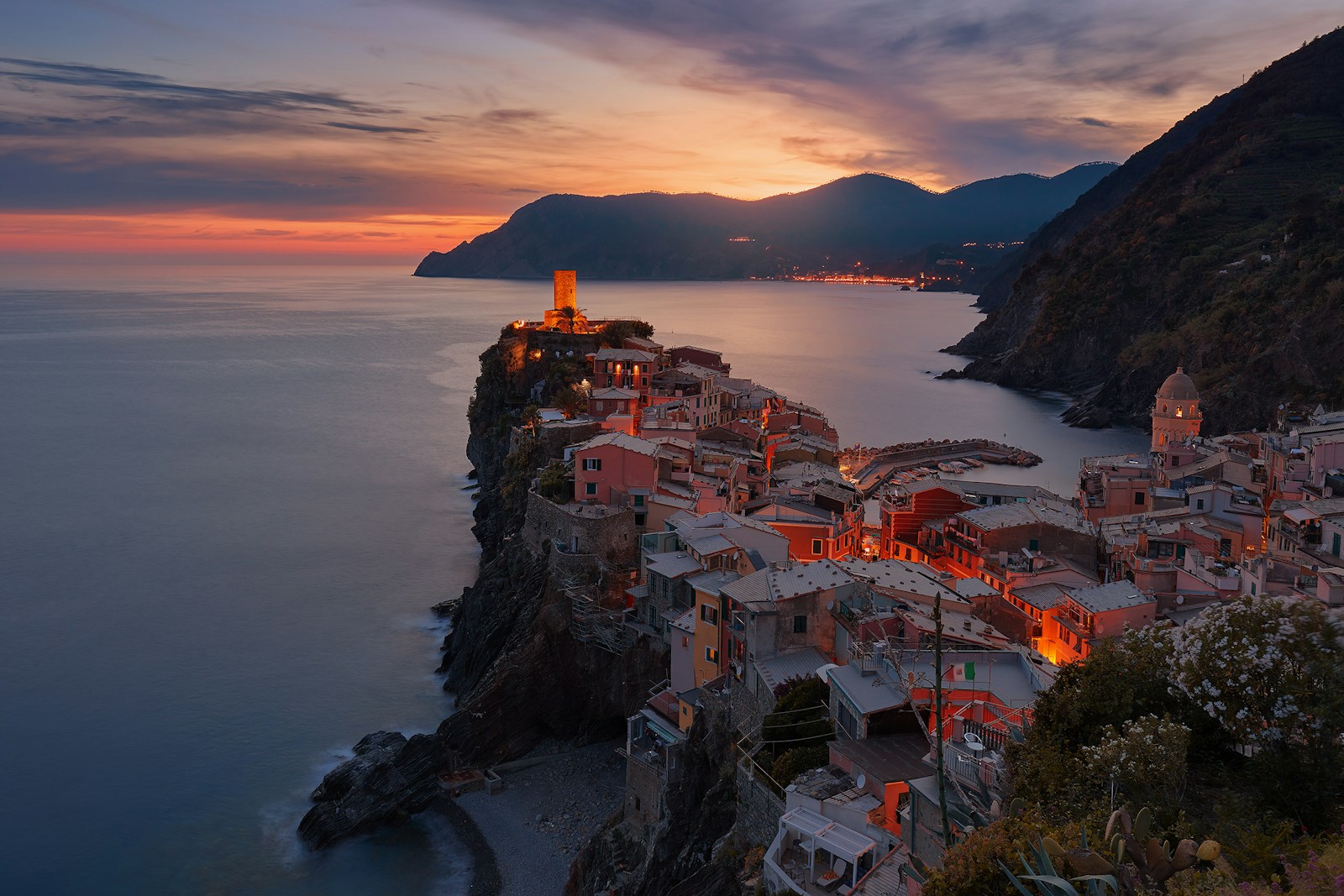
Red sandstone cliffs, pale sand dunes, and the warm shallow water of the Gulf of St. Lawrence. PEI is gentle in a way that most of coastal Canada is not — the tides are manageable, the light is soft, the farms roll to the water's edge. The national park protects the dunes and beaches of the north shore, where the sand really is the colour it appears in photographs. For those whose memories of PEI are the kind that stay with you for a lifetime, placing someone here is returning them to something warm.
View location →
Canada
Gros Morne National Park
A UNESCO World Heritage Site on Newfoundland's west coast, where the ancient floor of the ocean has been thrust above the surface and left exposed for anyone to walk on. The Tablelands — flat, rust-coloured, barren — look like Mars. The fjords of Western Brook Pond are as dramatic as anything in Norway. The forest smells of spruce and bog. Gros Morne is strange and magnificent in equal measure, and it carries the particular character of Newfoundland: beauty that doesn't ask for your approval.
View location →
Canada
Cape St. Mary's Ecological Reserve
A sea stack at the southwestern tip of the Avalon Peninsula, occupied by sixty thousand gannets, murres, and kittiwakes between May and August — one of the most accessible seabird colonies in North America. You can walk to within metres of the nesting birds. The cliff edge drops to the North Atlantic. The fog comes and goes. For those who loved the ocean in its most elemental form — cold, loud, indifferent — Cape St. Mary's is the place.
View location →
Canada
Kluane National Park & Reserve
The St. Elias Mountains contain the largest non-polar icefields in the world. Kluane's glaciers — Lowell, Kaskawulsh, Donjek — are immense in a way that photographs cannot convey. Dall sheep pick their way across the scree above the treeline. Grizzly bears fish the rivers in August. This is wilderness at the absolute scale — a UNESCO World Heritage Site shared with Alaska's Wrangell-St. Elias that feels, genuinely, like the edge of the inhabited world. For those who wanted somewhere vast beyond reckoning.
View location →
Canada
Nahanni National Park Reserve
Deep in the South Nahanni watershed, Virginia Falls drops ninety metres over a mid-river island — nearly twice the height of Niagara. The river has carved four enormous canyons through the Mackenzie Mountains. Hot springs steam in the sub-arctic cold. Wolves and wolverines move through country that has no roads in or out. Nahanni was one of Canada's first UNESCO World Heritage Sites, and it remains one of its most remote. For someone who believed that truly wild places still exist, they do — here.
View location →
Canada
Auyuittuq National Park
On Baffin Island above the Arctic Circle, Auyuittuq — "the land that never melts" — is a place of fjords, glaciers, and granite towers that rise sheer from the tundra. Mount Thor contains the largest purely vertical drop on earth. In midsummer, the sun never fully sets. Polar bears and Arctic foxes move across the sea ice. This is the most remote location in our network, and we offer it for those whose loved ones were drawn to the farthest reaches — who measured their lives not by comfort but by how far they went.
View location →